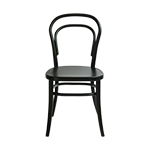
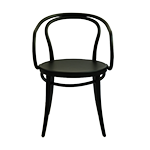
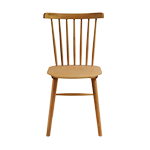
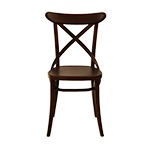
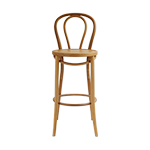
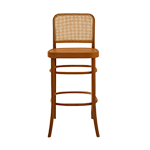
Bentwood
The Timeless Craft of Solid Wood Bending - UDMASS Bentwood Remains as Classic as the Day It Was Pioneered by Michael Thonet
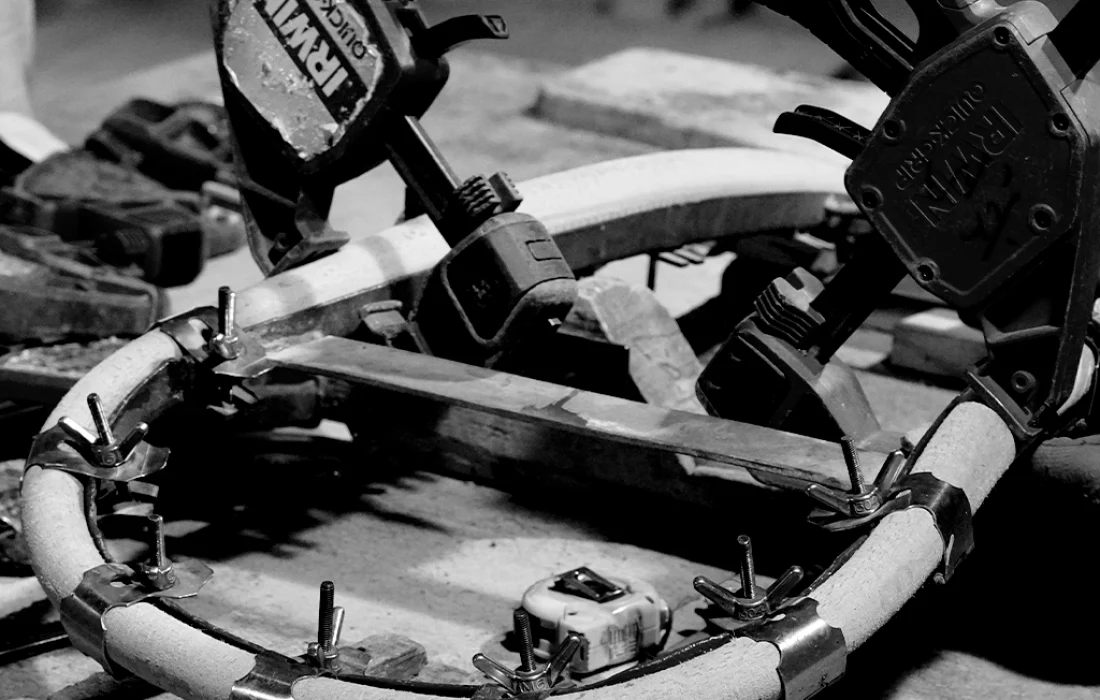
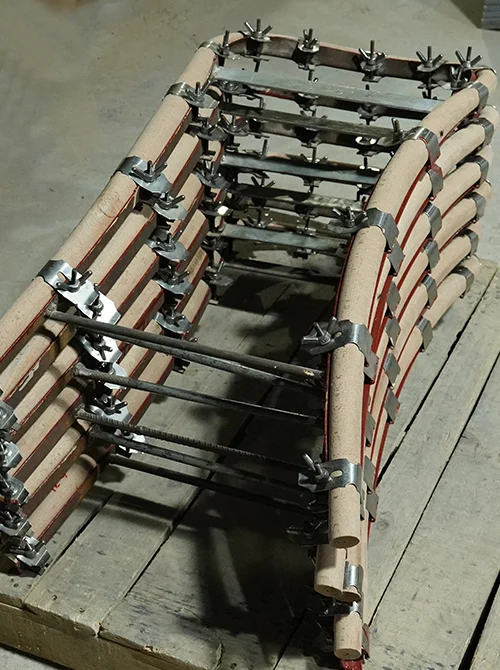
To shape wood into curved forms, one must first understand its nature—more accurately, master its two core components: cellulose, which provides wood with tensile strength, and lignin, which gives it compressive strength. For this natural material to be workable, both elements must be softened; otherwise, the wood will simply snap.The secret lies in steam: under pressure, steam penetrates the wood, increasing the elasticity of cellulose and softening lignin. The pliable material can then be smoothly bent along its grain, and once dried, it locks into its new form with the same stability and durability as its original state.When Michael Thonet experimented with wood bending in the 19th century, using heat and moisture to shape wood was not an entirely new concept—ancient civilizations had already applied this technique to shipbuilding and other crafts. Yet Thonet’s method of bending solid wood was revolutionary. In 1856, the Austrian government officially granted the Thonet brothers exclusive rights to produce armchairs and table legs using solid wood bent by steam or boiling liquids, a innovation that redefined modern furniture design.
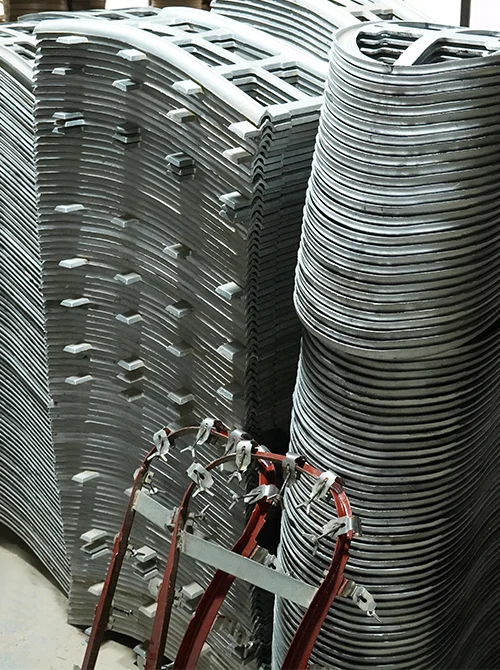
It may sound modest, but it was nothing short of revolutionary. With their patented bending technique, Michael Thonet and his five sons revolutionised furniture manufacturing forever.Instead of depending on highly skilled carpenters for handmade, small‑batch pieces, they mass‑produced chairs, armchairs, tables, stools and other small furniture through division of labour, using machinery and semi‑skilled workers. The Thonets pioneered industrial furniture production, conquering the global market with unbeatable prices and innovative distribution.Chair No. 14 — now Model 214 — best represents this revolution, with millions produced worldwide. No history of furniture is complete without this iconic design of elegantly curved beech wood.
Yet the revolution took time to gather pace. Although wood’s malleability was known, industrial mass production was not yet possible.From the 1830s, Thonet experimented with bending and laminating thin wood strips, first in Boppard, then Vienna. He boiled strips in glue, laminated them into blocks, pressed them into moulds, then sliced and veneered them to make curved parts for his “Boppard Chair”.This lamination allowed consistent, highly curved components. Similar methods existed earlier, but had serious limitations.
BENTWOOD FURNITURE SINCE 2018
——
HOT PRODUCTS
CH18A-P
BENTWOOD CHAIR
CH14A-P
BENTWOOD CHAIR
CH30B-P
BENTWOOD ARMCHAIR
CH81A-P
BENTWOOD CHAIR
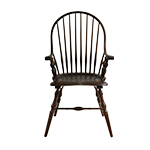
CH81B-P
BENTWOOD ARMCHAIR
CH86A-P
BENTWOOD CHAIR
CH20A-P
BENTWOOD CHAIR
CH56A-P
BENTWOOD CHAIR
CH01A-P
BENTWOOD CHAIR
CROSS X
BENTWOOD CHAIR
CROSS X
BENTWOOD CHAIR
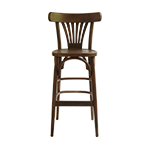
BS18A-P
BENTWOOD BARSTOOL
BS81A-P
BENTWOOD BARSTOOL
CH56A-P
BENTWOOD BARSTOOL
LC01BA-P
BENTWOOD LOUNGE
CUSTOMIZE FURTHER DETAILS
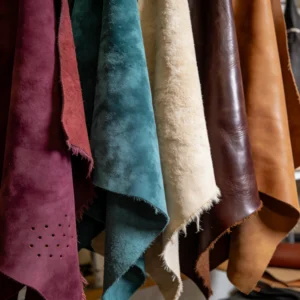
LEATHER
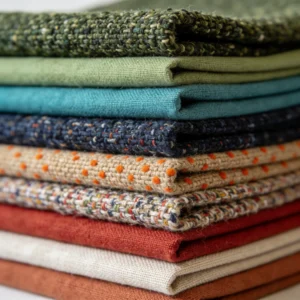
FABRICS